
Ireland – 67% Shop Online – Below the EU Average
Ireland: 67% Shop Online — Below the EU Average
Number 27 of 29 in Europe · 67% of adults shop online · below the EU average
A simple InfoCons guide to online shopping and your rights — written in clear English for everyone, including people who speak English as a second language.
Based on the European Commission’s Consumer Conditions Scoreboard 2025 (survey from November 2024).
Buying things online is now normal in Europe. But not everyone shops online the same amount, and the country where people shop online the most is not always the safest. This guide shows where Ireland stands. It uses the European Commission’s Consumer Conditions Scoreboard 2025. First it shows how much people in Ireland shop online compared with the rest of Europe. Then it explains, in simple words, the main things every online shopper should know.
The main number: 67% of adults in Ireland (about 7 in 10 people) bought something online in the last year. That is 9 points below the EU average of 76%. It puts Ireland at number 27 out of 29 countries (the 27 EU countries plus Iceland and Norway). Ireland is a surprise. It speaks English and hosts many big tech firms, but the share of people who shop online is below the EU average.
How many people shop online in Ireland?
Out of all 29 countries, Ireland is at 67%. The top countries are Norway (91%), Sweden (90%) and Denmark (89%). The lowest is Portugal (55%). The picture below shows the full list. Ireland is marked in blue, and the gold dotted line is the EU average of 76%.
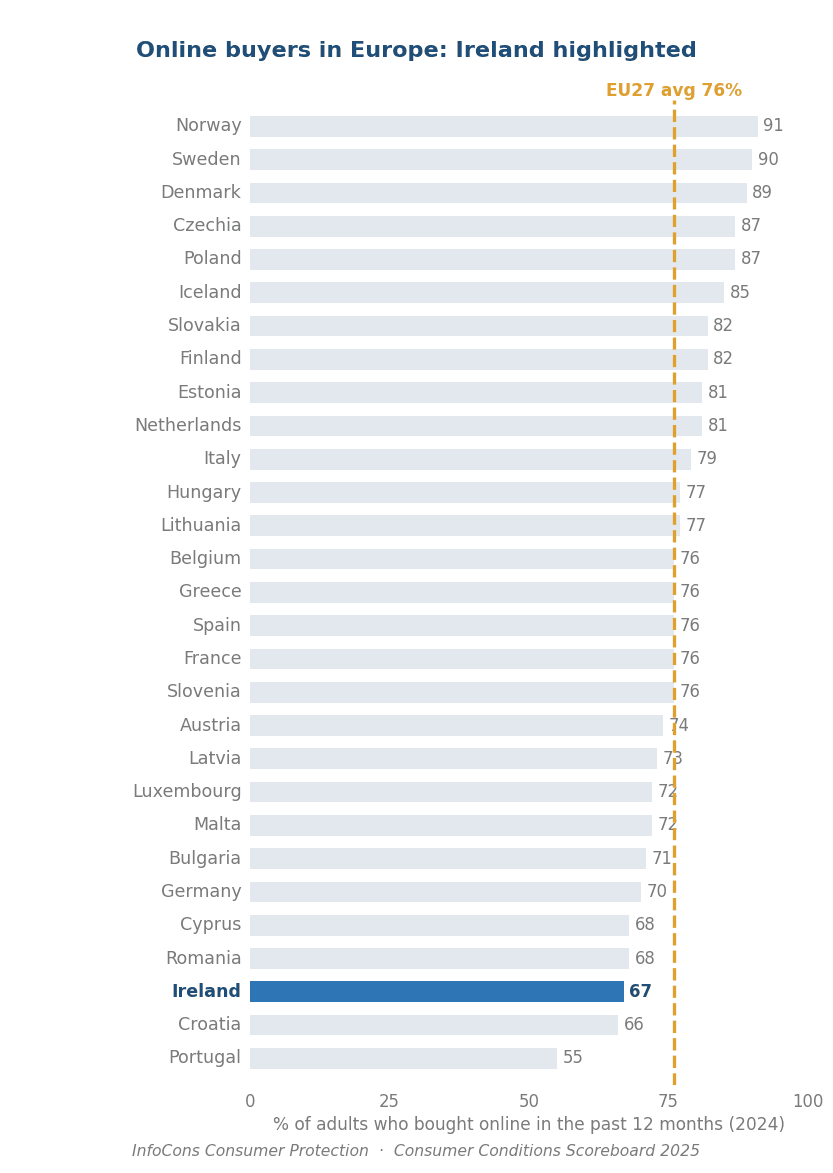
Picture 1. How many adults shop online in each country (2024). Ireland is marked in blue.
What Picture 1 shows: each bar is one country. Longer bars mean more people shop online. Ireland is near the bottom — with the most room to grow. It is below the EU average. It is 24 points behind the top country, Norway (91%). It is 12 points ahead of the lowest country, Portugal (55%).
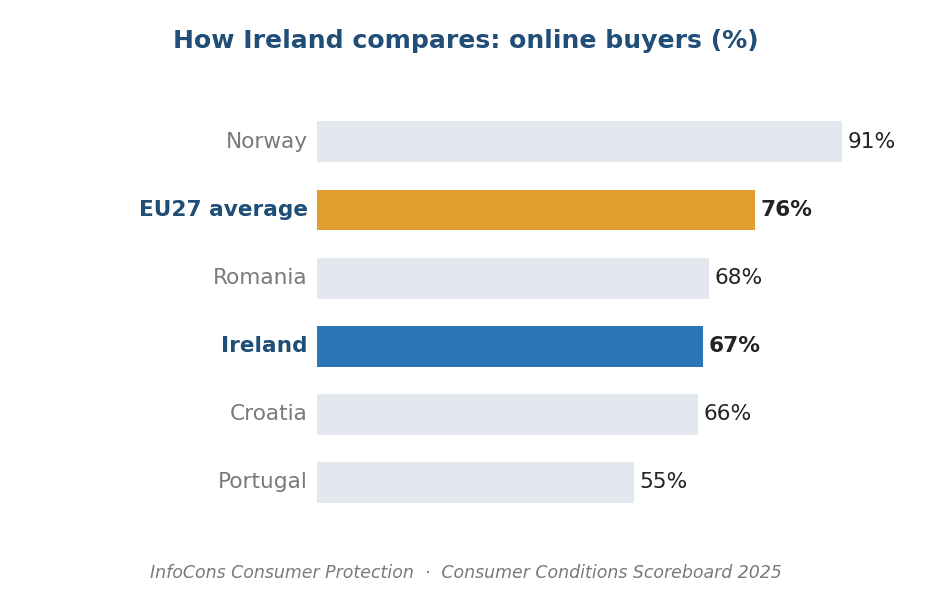
Picture 2. Ireland next to its closest countries, the EU average, and the best and worst.
This picture compares Ireland with the countries closest to it, plus the EU average and the best and worst countries. The countries next to Ireland on the list are Romania (68%) and Croatia (66%). The gold bar is the EU average (76%). You can see how far Ireland is from the top (Norway, 91%) and the bottom (Portugal, 55%).
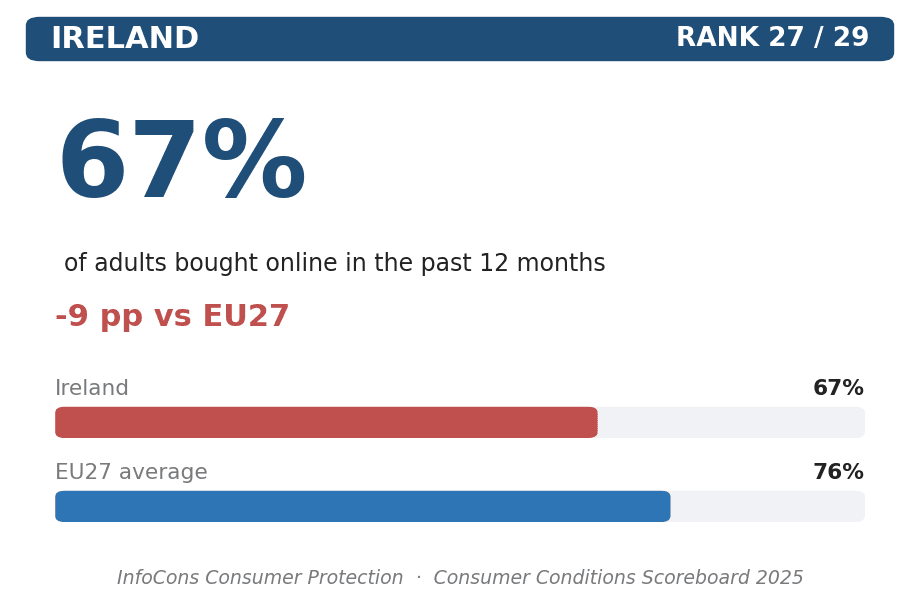
Picture 3. Ireland at a glance: online shoppers and the EU average.
This is the quick summary: Ireland at 67%, next to the EU average of 76%, and its place — number 27 of 29. This matters because the more people shop online, the more they need to know their rights and watch out for risks. The rest of this guide explains those risks in simple words.
Buying from other countries is growing
More and more Europeans buy from shops in other countries. Buying from another EU country went up from 28% in 2018 to 35% in 2024. Buying from outside the EU went up from 18% to 27%. Huge numbers of small parcels now arrive in the EU — 4.6 billion in 2024, more than 12 million every day. That is almost double 2023. When you buy from far away, it can be harder to return a product or to be sure it is safe. So check the seller before you pay.
Shopping online means more problems
Shopping online is easy, but it brings more problems than shopping in a shop. In 2024, 26% of online shoppers had a problem worth complaining about. For people who shopped only in shops, it was 16%. The most common problems were late delivery, wrong or damaged items, and slow answers to complaints. The more people in Ireland shop online, the more these everyday problems matter.
Where to get help across borders
If you have a problem with a shop in another EU country, Iceland or Norway, you can get free help from the European Consumer Centres (ECC Net). In 2024 they answered more than 135,000 questions, most about online shopping. More of these turned into formal complaints than before: 22.8% in 2024, up from 17.7% in 2020. People in Ireland can contact their national ECC for free help.
Watch out: fake reviews, fake discounts and hidden ads
Be careful online. Among people who shopped online in the last year, 66% saw fake reviews, and 61% saw discounts that looked too good to be true. About 47% saw influencers who were paid to promote a product but did not say so. These tricks come from online platforms, so they reach shoppers in Ireland too. The picture below shows the most common online risks across the EU.
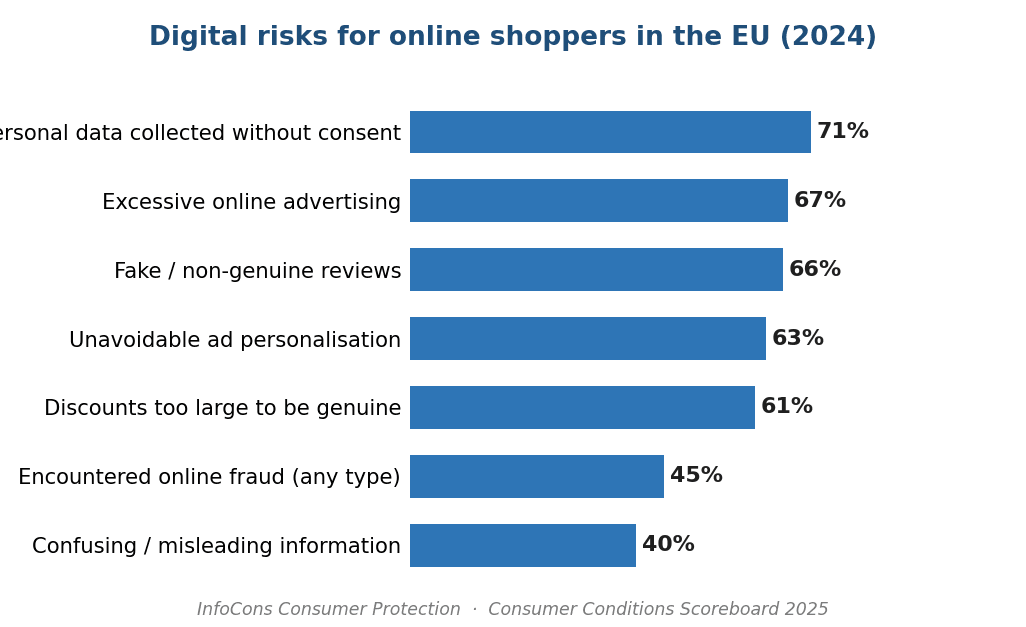
Picture 4. The most common online risks for shoppers across the EU (2024).
What Picture 4 shows: the most common online risks for shoppers across the EU. The biggest is companies taking your personal data without asking (71%). Next come too many ads (67%) and fake reviews (66%). Simple advice: be careful with “only today” discounts and perfect reviews, and check who is really selling and who is really recommending.
Online scams
More than 4 in 10 Europeans (45%) met an online scam in 2024. The most common were fake requests for money from someone pretending to be in trouble (23%) and “phishing” messages that try to steal your data or money (21%). Others were fake shops (9%), unwanted paid subscriptions (7%), fake video or phone calls using “deepfakes” (5%), bad investment tips from influencers (4%) and fake tickets (2%). The risk is very different by country — from 29% in Finland (the safest) to 85% in Austria (the highest).
The report gives a country number only for the two extremes (Finland and Austria), so we do not have the exact number for Ireland. But the EU average is 45%, and scams cross borders, so people in Ireland should watch for the same tricks.
Your privacy and online ads
Almost all online shoppers (93%) worry about online ads. The biggest worries are companies taking personal data without asking (71%), too many ads (67%), ads you cannot avoid (63%), and cookies that are hard to refuse (58%). Only 6% have no worries. Simple tips for people in Ireland: check your cookie settings, use your GDPR rights to see or delete your data, and do not trust offers that feel “too personal”.
New EU rules are coming
EU rules protect shoppers, but some were written before today’s online tricks existed. In October 2024 the EU checked its main consumer laws. They still work, but not well enough online. So the EU is preparing a new law — the Digital Fairness Act — to deal with tricks like “dark patterns” (website designs that push you to click). The good news is simple: EU consumer rules follow you across borders, and they are getting stronger.
Where these numbers come from
This guide uses the Consumer Conditions Scoreboard 2025 from the European Commission. The main source is a survey by Ipsos in November 2024, with about 1,000 people in each country (500 in Luxembourg, Malta, Cyprus and Iceland). Other numbers come from Eurostat and the European Consumer Centres. The country ranking uses the share of adults who bought online in the last year. Country scam numbers are given only for Finland and Austria. The EU report can be reused under the CC-BY 4.0 licence.
Signature: InfoCons Consumer Protection – Communication Department