Sorin Mierlea , President of InfoCons , continues his participation today in International Product Safety Week 2026
Sorin Mierlea , President of InfoCons , continues his participation today in International Product Safety Week 2026
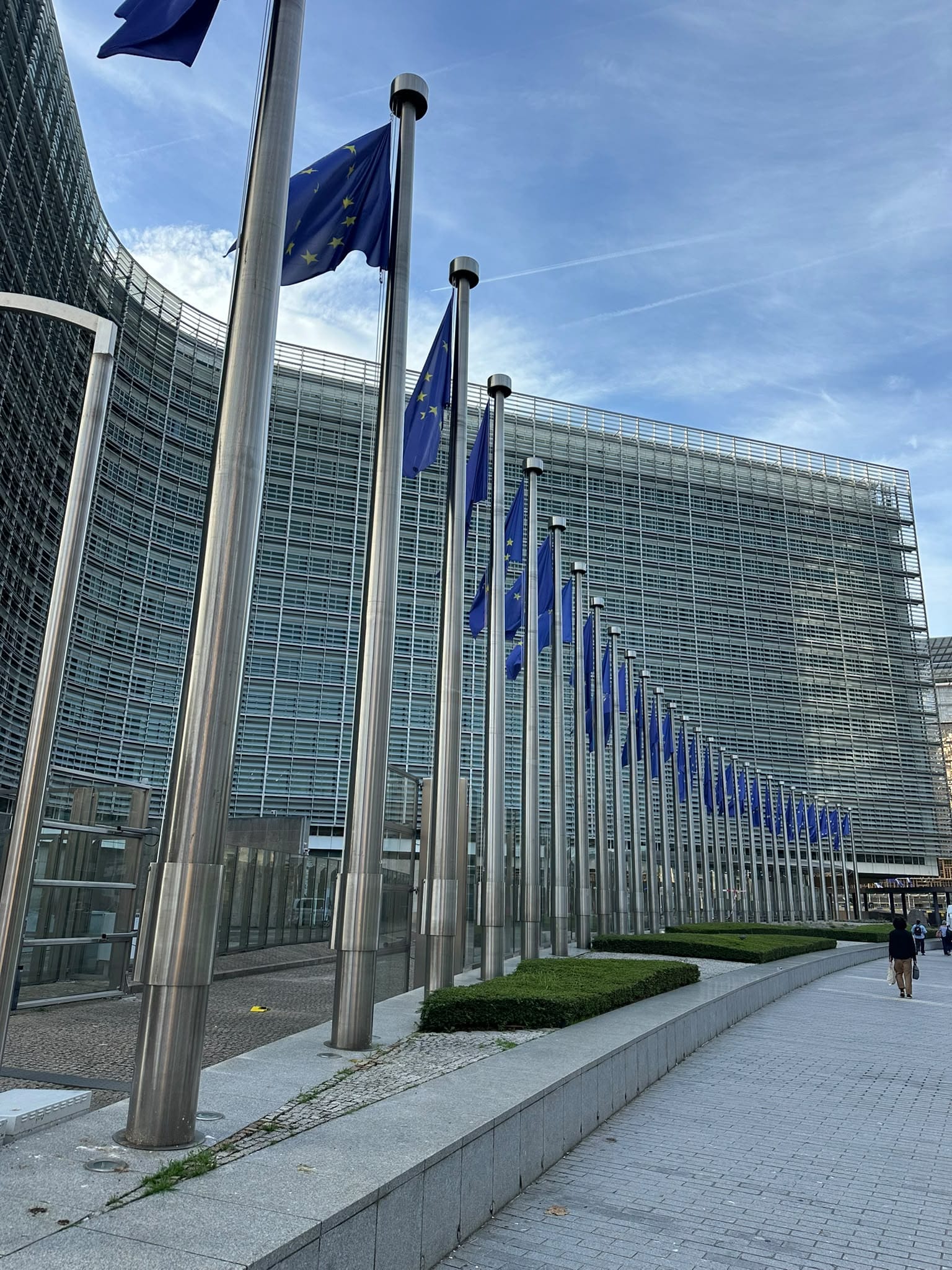
Sorin Mierlea, President of InfoCons, continues his participation today, 8 September 2026, in the events organised in Brussels as part of International Product Safety Week 2026.
The second day of the international event is dedicated to current product safety challenges arising from the rapid development of e-commerce, the use of emerging technologies and the transformation of consumer markets.
International Product Safety Week 2026 takes place from 7 to 10 September 2026 and marks 20 years of international cooperation in the field of product safety. The event brings together representatives of public authorities, consumer protection organisations, international institutions, academia and the business community.
The participation of the President of InfoCons in the events held in Brussels contributes to representing consumers’ interests in the international dialogue on product safety, market surveillance and the adaptation of consumer protection mechanisms to new sales models.
High-Level Opening of the Second Day
The programme for 8 September 2026 begins with a high-level opening session featuring addresses by:
- Michael McGrath, European Commissioner for Democracy, Justice, the Rule of Law and Consumer Protection;
- Pedro Manuel Moreno, Acting Secretary-General of UN Trade and Development – UNCTAD.
The opening addresses mark the beginning of a day dedicated to how policies, international cooperation and enforcement activities must evolve to respond to rapid changes across global markets.
Product Safety and the Rapid Development of E-Commerce
The first thematic session of the day, “Fast Forward: Product Safety Adapting to the Ever-Changing E-Commerce Landscape,” examines how product safety systems must adapt to the continuous evolution of e-commerce.
In the European Union alone, almost 5.9 billion low-value parcels were imported in 2025, nearly four times the number recorded in 2022. At the same time, businesses are rapidly adopting new sales channels that can become widely used only a few months after their launch.
This development creates opportunities for consumers but also generates important challenges regarding product compliance checks, trader traceability, the oversight of online platforms and the rapid removal of dangerous products from the market.
The session explores future trends that may shape e-commerce, the main emerging product safety risks and the surveillance strategies that can contribute to better consumer protection.
Product Safety in a Digital World
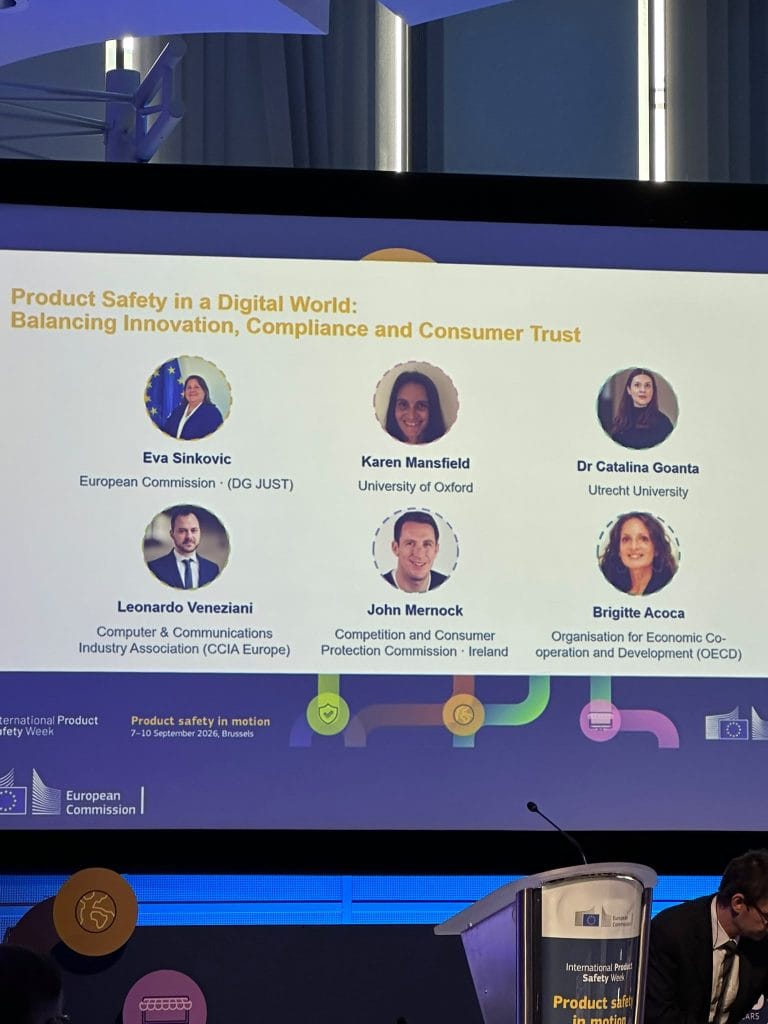
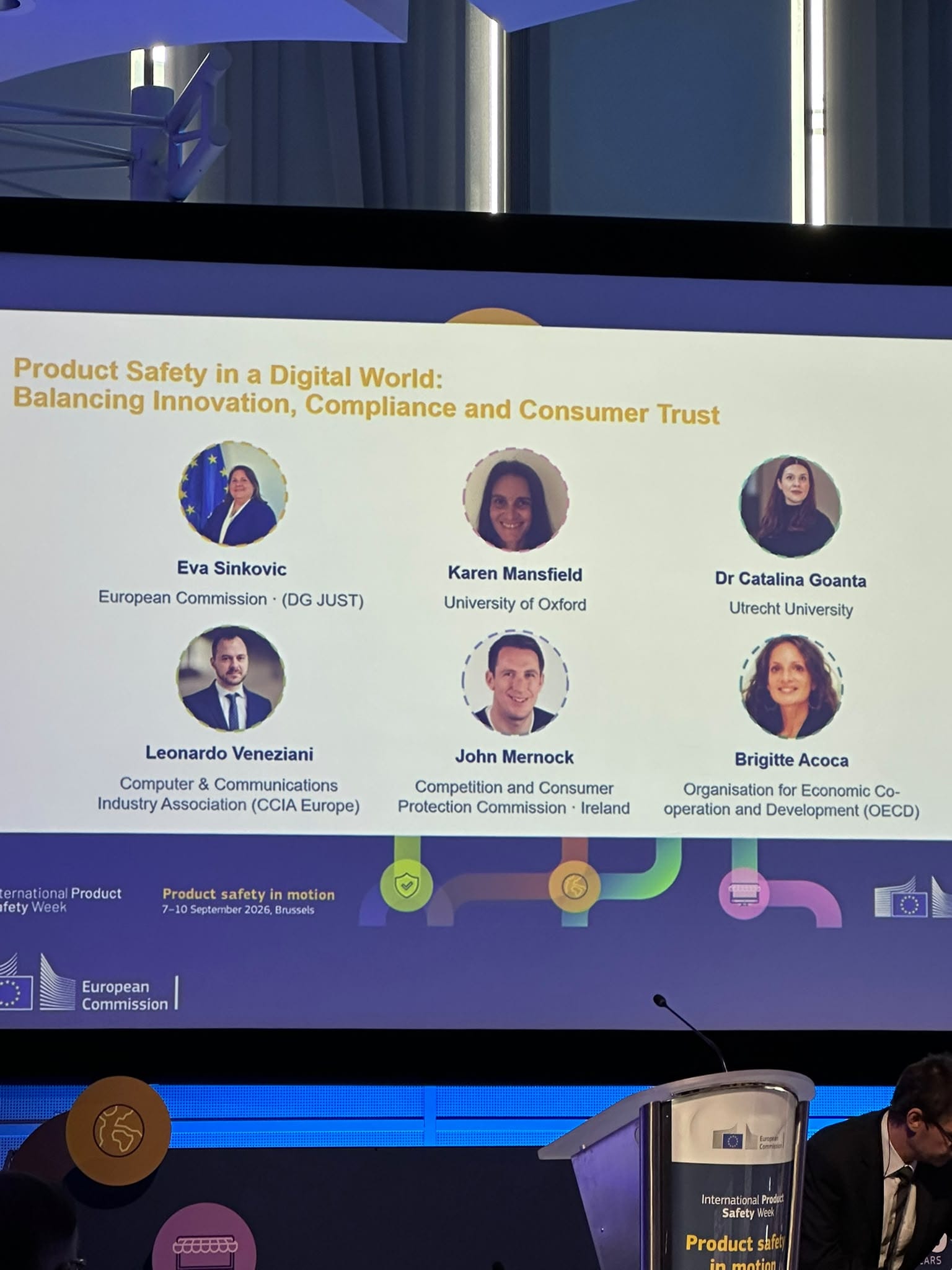
The session “Product Safety in a Digital World: Balancing Innovation, Compliance and Consumer Trust” focuses on the relationship between innovation, compliance with safety requirements and maintaining consumer trust.
Smart home devices, wearable products and other modern technologies can generate physical, digital or even psychological risks. Under these circumstances, product safety assessments can no longer be limited exclusively to physical components. They must also consider software, connectivity, data security and how products interact with users.
The session presents findings from studies and projects developed at European Union and Organisation for Economic Co-operation and Development – OECD level. Representatives of public authorities and businesses examine risk mitigation measures and good practices applicable to rapidly evolving products and technologies.
Cooperation for Product Safety Enforcement
The programme continues with “Moving Product Safety to the Next Level: Cooperation and Synergies for Product Safety Enforcement,” a session dedicated to the cooperation required for the effective enforcement of product safety rules.
Protecting consumers against dangerous products and ensuring a level playing field for businesses that comply with the law depend on effective controls and cooperation among public authorities, international institutions, organisations and the business community.
The session presents successful initiatives and examples of good practice that can strengthen cooperation and improve the effectiveness of market surveillance and enforcement activities.
Customs Reform, Chemical Safety and the Circular Economy
The afternoon sessions address several practical aspects of product safety enforcement, including:
- the new European Union customs reform and the strengthening of the role of authorities responsible for checking products entering the European market;
- the safety of chemicals used in consumer products;
- product safety challenges related to the circular economy and product reuse;
- findings from European Commission studies concerning product safety enforcement;
- cooperation among the systems and institutions involved in market surveillance.
These issues are particularly important in a market where products can move rapidly across borders and reach consumers directly through online sales platforms.
Digital Tools for Market Surveillance
Another session, “Boosting Up Product Safety Enforcement through Digital Tools,” examines how digital tools can support authorities in identifying non-compliant products.
Digital platforms can facilitate access to critical product information and improve surveillance activities. The programme also presents eSurveillance tools and proactive web-crawling solutions that can monitor online marketplaces and identify products that may not comply with applicable requirements.
Another important topic is system interoperability, which can allow information to be shared and used rapidly by the institutions responsible for consumer protection.
The InfoCons App Facilitates Consumer Access to Dangerous Product Alerts
Through the Alerts section of the InfoCons European Consumer Protection App, consumers can check whether products they intend to purchase are or have previously been subject to product safety alerts.
Non-food product alerts are updated daily and include information such as the product name, the country concerned, the level of risk, the product’s origin, the alert publication date and an image of the product.
Before purchasing a product from a physical store or an online platform, consumers are encouraged to use the search function available in the Alerts section to make informed decisions and reduce the risk of buying dangerous products.
Signature: InfoCons Communication Department